
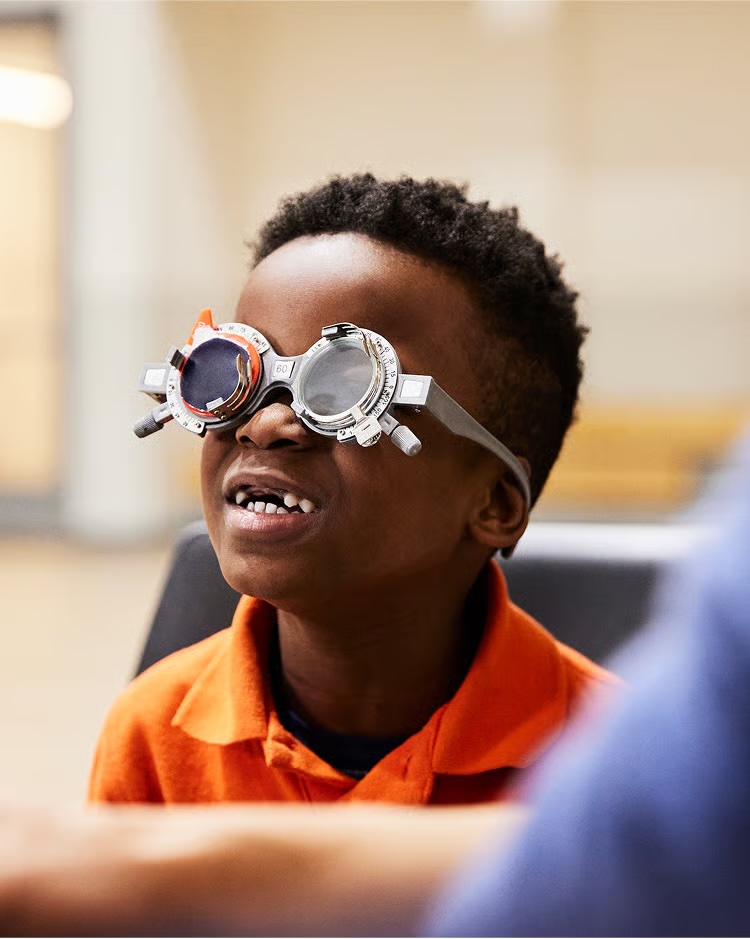
“Because every frame tells a story.”
Every now and then, I love sharing something a little different from our usual family adventures — and today, I’m diving into a story about Warby Parker, a brand that’s changing how people see the world, one frame at a time.
A Personal Connection
Growing up in the Philippines, I saw firsthand how many families couldn’t afford prescription glasses. Kids went to school squinting at the board, borrowing a classmate’s glasses, or simply learning to “adjust” because buying a pair wasn’t possible. Adults worked long hours with blurry vision because the cost of an eye exam and lenses was too much. Clear sight was a privilege — not a guarantee.
That’s why Warby Parker’s mission hits close to home for me. The idea that buying one pair of glasses can help someone else in need feels powerful, personal, and deeply meaningful. Their Buy a Pair, Give a Pair model reminds me of the kids I grew up with — the ones who would have thrived with just a simple pair of glasses. It’s inspiring to think that a brand can make such a difference, not just in style or convenience, but in someone’s everyday life. For families like the ones I knew back home, that kind of help is everything.
Seeing the World Differently
Eyeglasses are something almost everyone needs at some point — kids, teenagers, adults, basically all of us. But getting a new pair has never been convenient. It usually meant taking time off, driving to a store, sitting through an eye exam, and trying on frames under harsh lights while hoping you weren’t being pressured into buying something you didn’t actually love. For many families, especially those with busy schedules, the whole process felt outdated and exhausting.
That’s why 2010 became such a turning point. Four classmates at the Wharton School of the University of Pennsylvania — Neil Blumenthal, Andrew Hunt, David Gilboa, and Jeffrey Raider — looked at the eyewear industry and realized something was seriously broken. Glasses were overpriced, the buying experience was inconvenient, and customers didn’t feel empowered to make choices that fit their lives. Instead of accepting the traditional model, they decided to reinvent it.
Digital Media Changes Everything
Buying eyeglasses used to feel like one of those errands that demanded too much time, too much money, and honestly, too much patience. But today, digital media has changed the way we connect, shop, and share our experiences — and Warby Parker is one of the clearest examples of how a brand can help us see the world differently.
Their story isn’t just about selling glasses online; it’s about reshaping the way people make decisions, trust brands, and interact with communities across the globe. In a world where digital platforms help us stay connected with family across oceans, discover new products, and share pieces of our everyday lives, Warby Parker shows how powerful those online connections can be.
They didn’t just create a new way to buy glasses — they created a new way for people everywhere to feel confident making choices through digital media, one frame at a time.
A Bold New Model
Warby Parker’s journey began with four classmates who were simply frustrated with how complicated and expensive buying glasses had become. They saw a traditional system that no longer matched the needs of modern consumers, especially those living in rural areas or juggling busy schedules.
Their idea was bold:
- design their own frames
- sell them directly online
- remove unnecessary costs
- make the process simple and accessible
But even with a smart business model, they knew customers would feel uncertain about buying something so personal through a screen. Glasses aren’t just accessories — they’re part of your identity. They’re something you wear every single day, something that becomes part of who you are and how you move through the world. The shape, the color, the style — all of it tells a story about you. Glasses can show your personality, confidence, creativity, work, and even your dreams. They’re not just tools for seeing; they’re reflections of how you want to be seen.
That’s where digital media stepped in as the bridge between hesitation and confidence.
Social Media: The Heart of Their Strategy
Social media became the center of Warby Parker’s approach. Instead of relying on traditional advertising, they used platforms like Instagram, Facebook, and YouTube to talk directly with customers. They responded to comments, answered questions, and made people feel seen and heard.
This kind of communication created trust — the kind traditional ads simply couldn’t match. It felt like a conversation rather than a sales pitch. Customers weren’t just interacting with a brand; they were connecting with the real people behind it.
In the world of social media marketing, this shift from one‑way messaging to two‑way communication is exactly what builds loyalty.
The Home Try‑On Campaign
One of the most impactful parts of their digital strategy was the https://www.warbyparker.com/home-try-on Warby Parker allowed customers to order five frames, try them at home, and return what they didn’t want — all for free.
This simple idea removed the biggest barrier to buying glasses online: the fear of choosing the wrong pair.
Customers could:
- try on frames in their living rooms
- ask their families for honest opinions
- send selfies to friends
- share their try‑on experience on social media
Warby Parker encouraged this sharing, and it quickly became a powerful form of user‑generated content. Customers who posted photos of themselves trying on frames were buying at twice the rate of those who didn’t.
When people see someone they trust wearing a pair of frames, it feels real, relatable, and reassuring.
Education Through Digital Media
Warby Parker also used digital media to educate customers. They created YouTube videos explaining how to choose frames, how lenses work, and what styles fit different face shapes. They even invited fans to share their own tips and experiences.
This educational approach made customers feel supported rather than sold to. It turned Warby Parker into a helpful guide instead of just another retailer.
Buy a Pair, Give a Pair — A Mission That Matters
Another important part of Warby Parker’s digital strategy is their commitment to social good. Through their partnership with VisionSpring, they donate a pair of glasses to someone in need for every pair purchased — a mission that feels especially close to my heart.
Growing up in the Philippines, I saw so many children and families who couldn’t afford prescription glasses. Kids went to school squinting at the board, borrowing a classmate’s pair, or simply learning to “adjust” because buying their own wasn’t possible.
That’s why Warby Parker’s Buy a Pair, Give a Pair program means so much to me. It’s not just a marketing idea — it’s a real, tangible act of kindness. One pair of glasses can help a child read clearly, help a parent work safely, or help someone finally see the world the way it was meant to be seen.
If you want to learn more about how Warby Parker gives back, you can visit their program here: https://ca.warbyparker.com/buy-a-pair-give-a-pair
A Conclusion From the Heart
Warby Parker’s story shows how digital media can transform not just a business model but the relationship between a brand and its customers. But for me, it goes deeper than marketing or strategy.
That’s why Warby Parker’s mission feels so meaningful. Their giving program is a reminder that even small choices can create big change. One pair of glasses can help someone see clearly, learn confidently, or work safely.
In a digital world where connection often happens through screens, Warby Parker proves that connection can also happen through action — through generosity, empathy, and the belief that everyone deserves to see clearly.
Maybe that’s the real lesson: we all have the ability to do something small that becomes something meaningful.
Warby Parker helped people see the world differently. And they remind us that we can, too — one small act, one shared story, one frame at a time.


 Roegiers Adventures
Leave a comment